
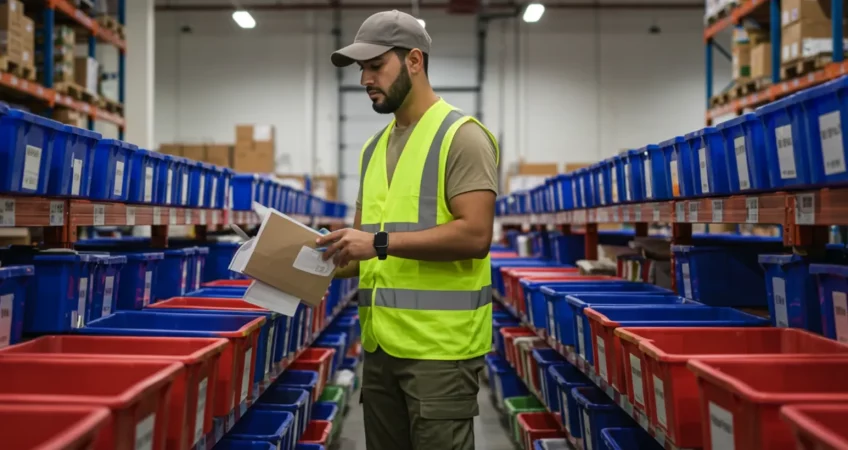
Managing product returns efficiently can make or break your business reputation. When customers send items back, the reverse logistics process determines whether you lose money or turn returns into profit opportunities. Understanding each step helps businesses reduce costs, improve customer satisfaction, and create sustainable operations.
What is Reverse Logistics?
Reverse logistics refers to moving goods from customers back to manufacturers or retailers. Unlike traditional logistics that moves products forward through the supply chain, reverse logistics handles the backward flow of goods. This includes returns, repairs, recycling, and disposal activities.
The reverse supply chain has become increasingly important as online shopping grows. Studies show that retail returns average 10.6% of total sales, making an efficient returns management process essential for profitability.
Step 1: Return Authorization and Customer Communication
The reverse logistics process begins when customers request to return products. This initial step sets the tone for the entire experience and impacts customer loyalty.
Key activities include:
- Processing return requests through multiple channels (online, phone, email)
- Issuing return merchandise authorization (RMA) numbers
- Providing clear return instructions and shipping labels
- Setting customer expectations about timelines and refund policies
Effective communication prevents confusion and reduces customer service inquiries. Clear return policies posted prominently on websites help customers understand the process before making purchases.
Step 2: Product Collection and Transportation
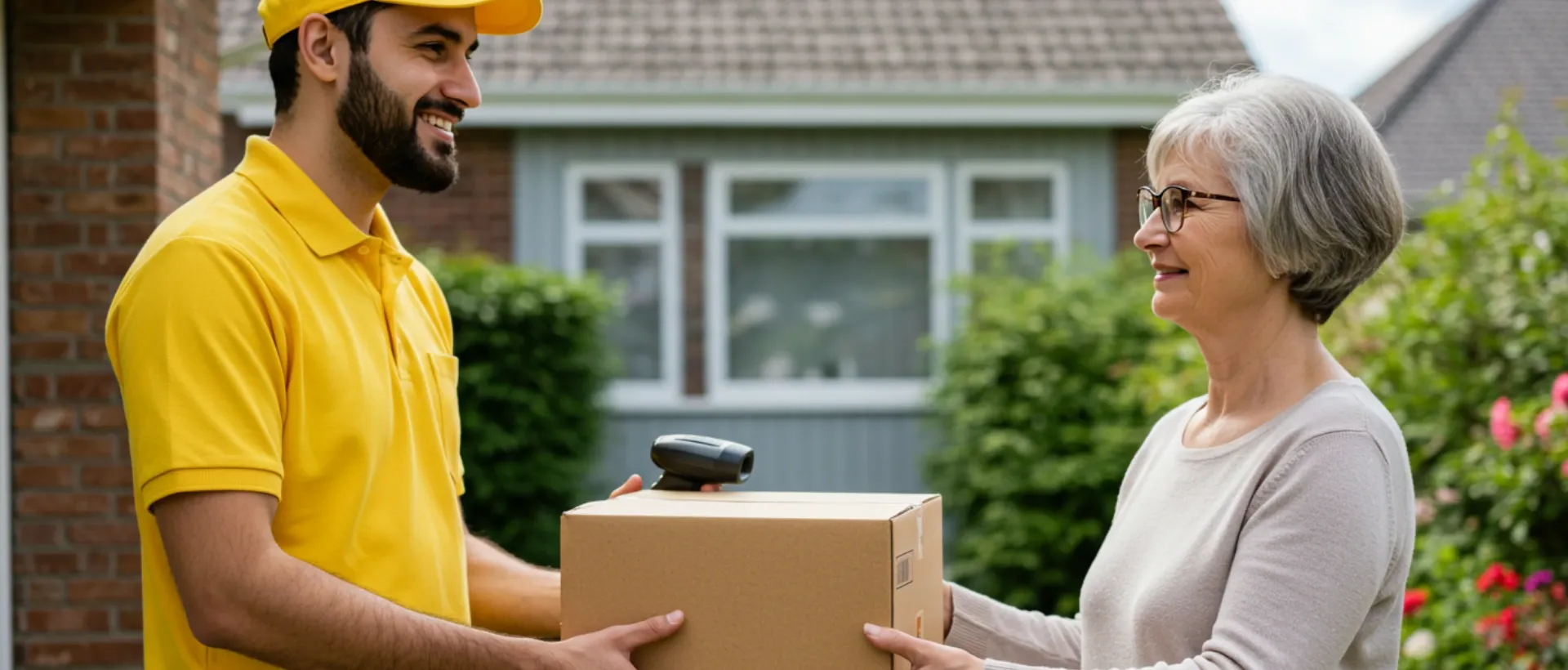
Once return authorization is granted, businesses must collect returned items from customers. This transportation phase requires careful planning to minimize costs while maintaining service quality.
Collection methods include:
- Customer drop-off at retail locations
- Prepaid shipping labels for mail returns
- Scheduled pickup services for large items
- Third-party logistics providers for volume returns
The reverse flow of goods often costs more than forward shipping because individual returns lack the economies of scale found in bulk shipments. Smart businesses consolidate returns to reduce transportation expenses.
Step 3: Receiving and Initial Inspection
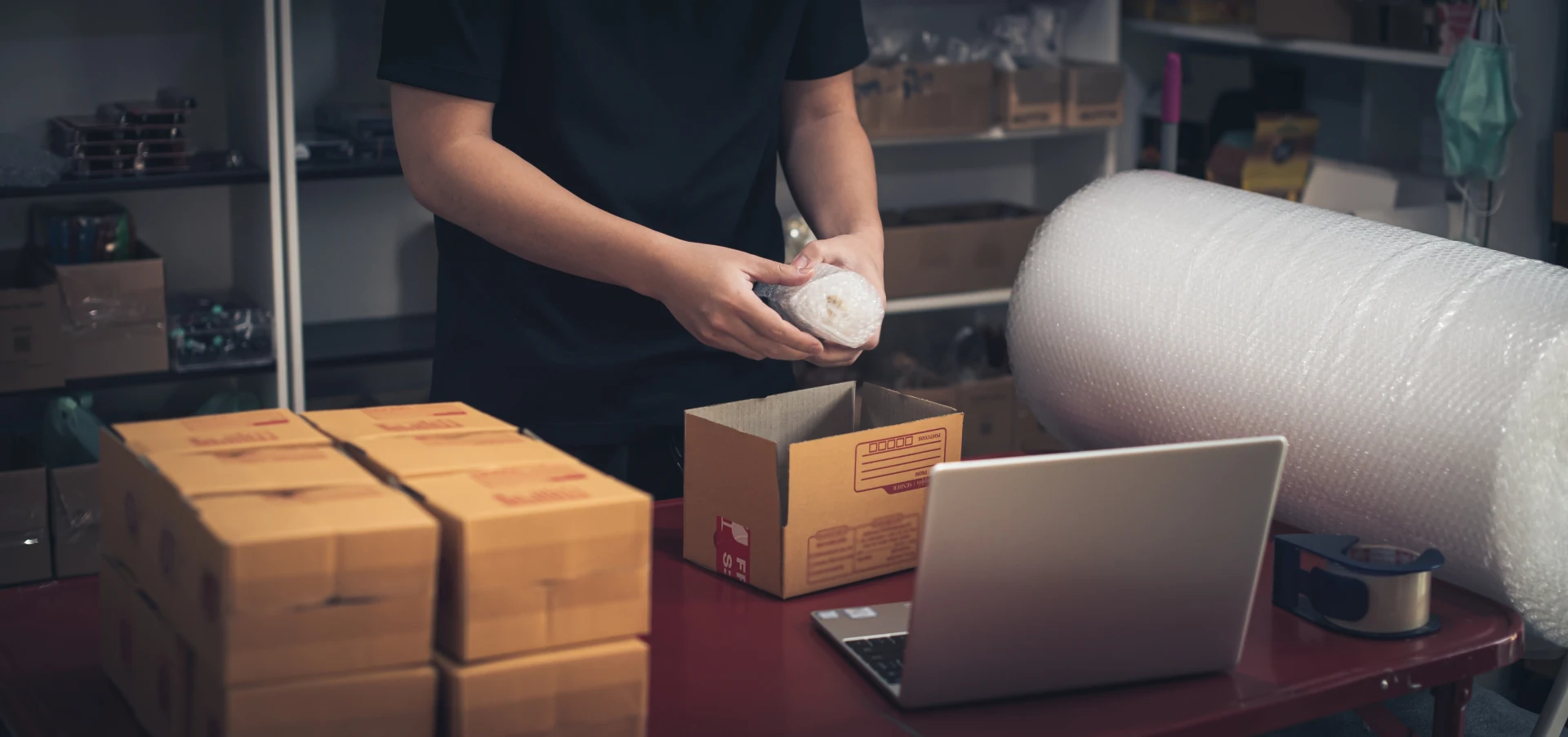
When returned products arrive at processing facilities, staff must quickly assess each item’s condition. This step determines how items will be handled in subsequent stages of the returns management process.
Inspection criteria typically include:
- Physical condition assessment
- Completeness check for all components
- Testing functionality when applicable
- Documentation of damage or defects
- Classification into processing categories
Thorough inspection prevents damaged goods from returning to inventory and helps identify patterns in return reasons. This data proves valuable for improving product quality and reducing future returns.
Step 4: Sorting and Decision Making
After inspection, returned items must be sorted into different processing streams. This decision-making step significantly impacts the profitability of reverse logistics operations.
Common sorting categories include:
- Resale as new: Items in perfect condition return to regular inventory
- Refurbishment: Products needing minor repairs before resale
- Secondary markets: Items sold through discount channels
- Recycling: Materials recovered for manufacturing new products
- Disposal: Items beyond repair that must be discarded responsibly
Making accurate sorting decisions requires trained staff and clear guidelines. Automated systems can help larger operations maintain consistency in classification.
Step 5: Processing and Refurbishment
Items designated for refurbishment enter specialized processing workflows. This step can significantly recover value from returned merchandise when done efficiently.
Processing activities may include:
- Cleaning and cosmetic restoration
- Repair or replacement of defective components
- Repackaging with new materials
- Quality testing to ensure functionality
- Documentation of refurbishment work performed
Successful refurbishment programs require dedicated workspace, skilled technicians, and inventory management systems that track processing costs versus recovered value.
Step 6: Inventory Management and Restocking
Processed items that meet quality standards return to active inventory through careful restocking procedures. This step integrates reverse logistics with forward supply chain operations.
Restocking considerations include:
- Updating inventory management systems
- Proper storage location assignment
- Shelf life evaluation for time-sensitive products
- Pricing decisions for refurbished items
- Integration with demand forecasting systems
Effective inventory management prevents returned items from sitting idle while ensuring customers receive quality products regardless of whether they’re new or refurbished.
Step 7: Data Analysis and Reporting
The final step involves analyzing reverse logistics data to identify improvement opportunities and measure performance. This analytical approach transforms returns from cost centers into strategic advantages.
Key metrics to track include:
- Return rates by product category
- Processing times for different return types
- Cost per returned item processed
- Recovery rates for refurbished products
- Customer satisfaction with return experiences
Regular analysis helps businesses optimize their returns management process and reduce future return volumes through product improvements.
Common Challenges in Product Returns Logistics
Managing reverse logistics presents unique challenges that differ from traditional supply chain operations:
- Volume unpredictability makes it difficult to staff appropriately and maintain efficient operations during peak return periods.
- Quality variability in returned items requires flexible processing capabilities and trained personnel who can handle different scenarios.
- Cost management becomes complex because reverse logistics typically operates at higher per-unit costs than forward logistics.
- Customer expectations for fast refunds and seamless experiences pressure businesses to invest in efficient reverse logistics systems.
Technology Solutions for Reverse Logistics
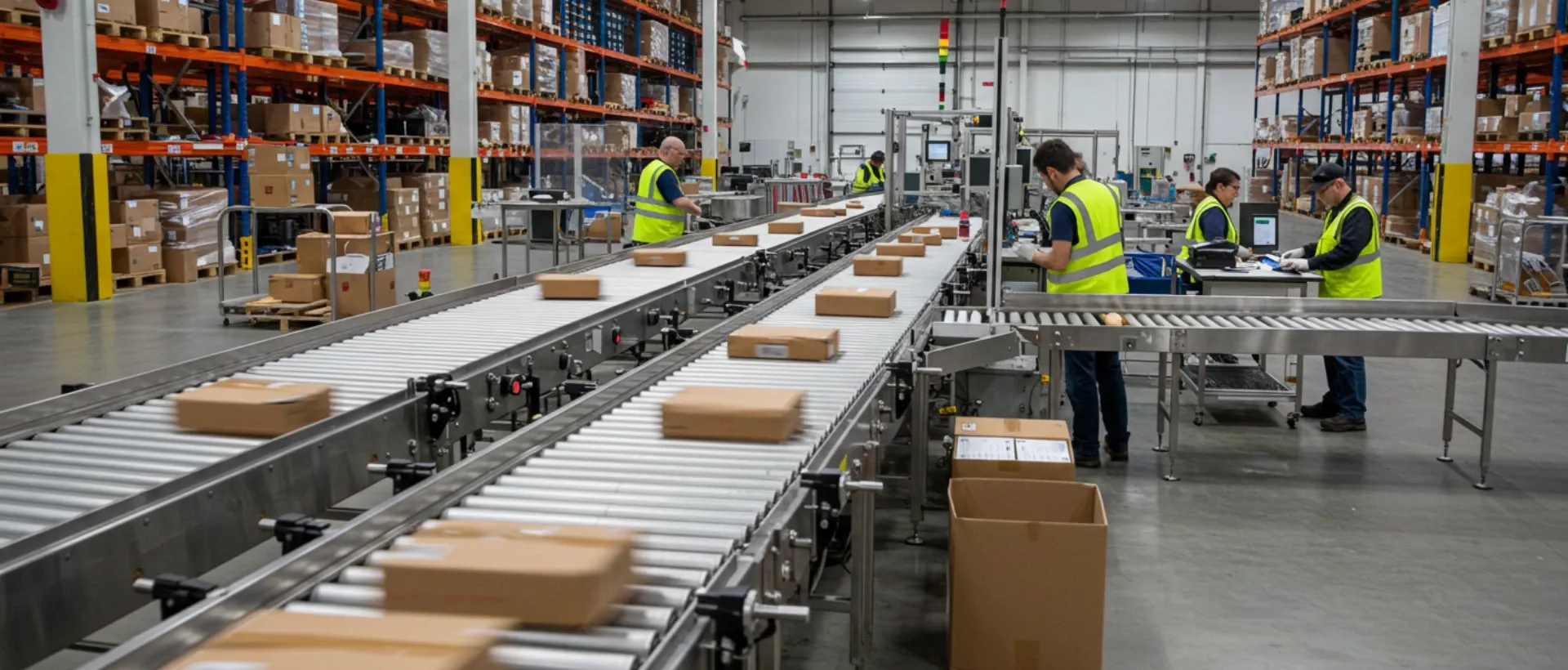
Modern technology can streamline many aspects of the reverse logistics process:
- Return management software automates authorization, real-time tracking, and communication throughout the process.
- Mobile scanning applications speed up receiving and inspection activities while reducing errors.
- Integration platforms connect reverse logistics systems with inventory management, accounting, and customer service systems.
- Analytics tools provide insights into return patterns, processing efficiency, and cost optimization opportunities.
How Rusco Direct Logistics Can Help Your Reverse Logistics
Managing an effective reverse logistics process requires expertise, infrastructure, and resources that many businesses find challenging to develop internally. Working with experienced logistics partners can provide immediate access to proven systems and processes.
Professional logistics providers offer specialized facilities designed for efficient returns processing, trained staff experienced in handling different product types, and technology systems that integrate with your existing operations. They also provide the flexibility to scale operations up or down based on return volumes.
Turning Returns Into Competitive Advantages
Implementing efficient reverse logistics processes transforms returns from costly problems into opportunities for customer loyalty and operational improvement. Each step in the process contributes to better customer experiences while recovering maximum value from returned merchandise.
Businesses that master their returns management process often find that excellent return experiences actually increase customer lifetime value and generate positive word-of-mouth marketing. By leveraging expert warehouse returns & reverse logistics NY, companies can treat reverse logistics as an integral part of customer service rather than just a necessary cost.
Frequently Asked Questions
What is the difference between reverse logistics and returns management?
Returns management focuses specifically on processing customer returns, while reverse logistics encompasses all backward flows, including recalls, repairs, recycling, and end-of-life disposal.
How much do reverse logistics operations typically cost?
Reverse logistics costs usually range from 4% to 6% of total sales revenue, though this varies significantly by industry and return volumes.
Can small businesses implement effective reverse logistics processes?
Yes, small businesses can start with basic return processes and gradually add sophistication as volumes grow. Partnering with experienced logistics providers helps accelerate capabilities.
What are the environmental benefits of reverse logistics?
Proper reverse logistics reduces waste through refurbishment and recycling, recovers valuable materials, and minimizes the environmental impact of disposed products.