
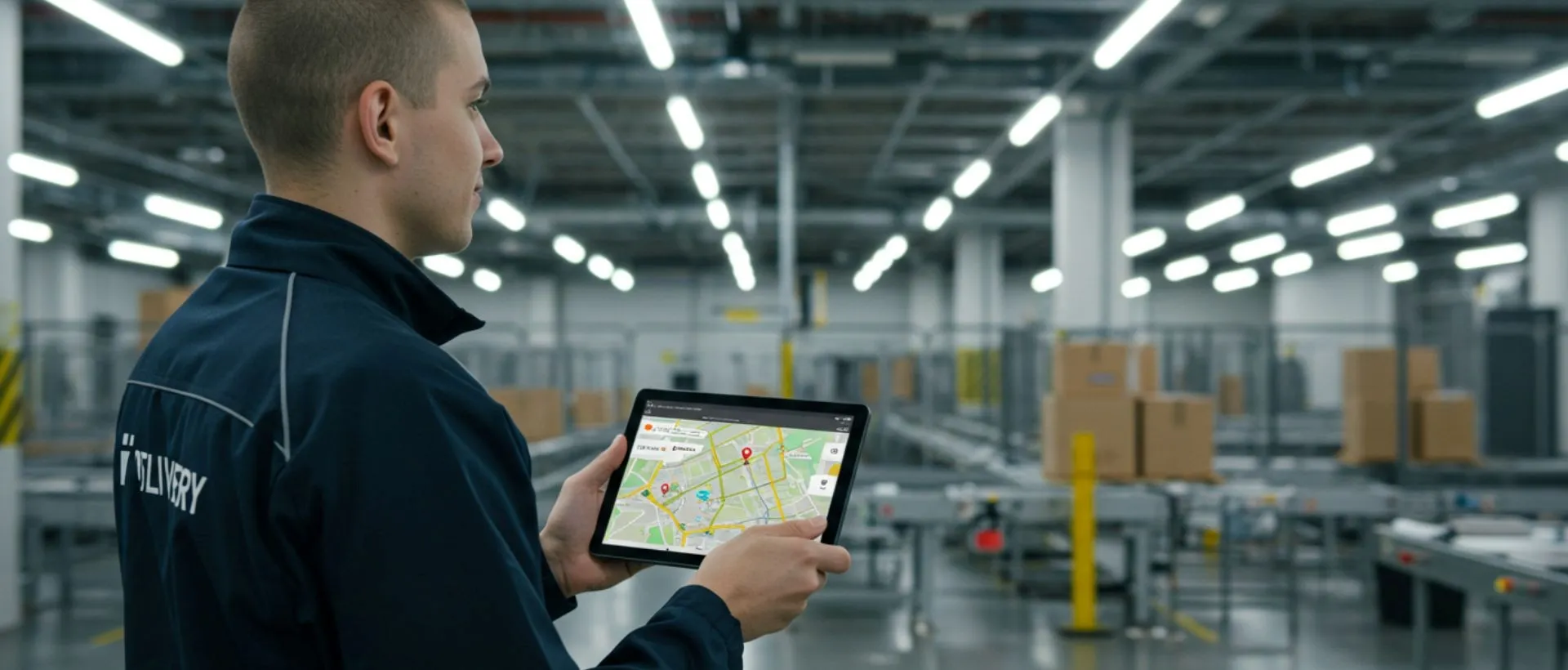
Customer expectations have changed dramatically. People want to know exactly where their orders are at all times, just like they can track a pizza delivery or a rideshare. This shift has made real-time tracking logistics essential for businesses that want to keep customers happy and coming back for more.
Rusco Direct Logistics has been helping companies in the New York tri-state area meet these expectations for over 40 years. We understand that when customers can see their shipments moving in real-time, it builds trust and reduces anxiety about delivery times.
Real-time tracking logistics goes beyond simple package updates. It creates transparency throughout the entire supply chain and gives customers the control they crave over their purchases.
What Is Real-Time Tracking Logistics?
Real-time tracking logistics means monitoring shipments as they move through every stage of delivery. Unlike traditional tracking that updates only at major checkpoints, live shipment tracking provides continuous location data and status updates.
A logistics tracking system captures data from GPS devices, warehouse scanners, and mobile apps. This information gets processed instantly and shared with both businesses and their customers through online portals or mobile notifications.
The technology works by placing tracking devices on vehicles and packages. These devices send location signals to a central system that maps the exact position of every shipment. When combined with warehouse inventory management systems, customers get complete visibility from the moment an order ships until it arrives at their door.

How Real-Time Tracking Improves Customer Experience
1. Reduces Customer Anxiety
Nobody likes waiting without knowing what’s happening to their order. When customers can see their package moving toward them, it eliminates the stress of uncertainty. They know their order hasn’t been lost or forgotten.
This peace of mind is crucial for valuable or time-sensitive shipments. Medical supplies, electronics, and perishable goods all benefit from continuous monitoring that reassures customers that their items are safe.
2. Builds Trust and Transparency
Companies that provide detailed tracking information show they have nothing to hide. Customers appreciate businesses that keep them informed every step of the way. This transparency builds long-term relationships and increases customer loyalty.
When delays occur, real-time freight monitoring enables companies to notify customers promptly with updated delivery windows. Proactive communication prevents frustration and shows customers that the business cares about their experience.
3. Enables Better Planning
Accurate delivery windows help customers plan their day. Instead of waiting around all day for a delivery, they can see when their package will actually arrive. This is particularly valuable for businesses that need to coordinate receiving staff or for residential customers who work from home.
Live shipment tracking also allows customers to request delivery changes if needed. They might ask to reschedule if they won’t be available or arrange for someone else to receive the package.
4. Improves Communication
Real-time tracking reduces customer service calls because people can find answers themselves. When customers have questions, service representatives can access the same tracking data to provide immediate, accurate updates.
This self-service capability frees up customer service teams to handle more complex issues while still giving customers the information they need quickly.

Benefits for Logistics Companies
1. Operational Efficiency
Delivery tracking solutions help logistics companies optimize routes and identify bottlenecks. With NY logistics with real-time tracking, managers can see where vehicles are at any moment, make quick adjustments to avoid delays, and reassign loads for better efficiency.
Real-time data also helps with fleet management. Companies can monitor driver performance, fuel consumption, and vehicle maintenance needs to keep operations running smoothly.
2. Competitive Advantage
Companies that offer superior tracking capabilities stand out from competitors who only provide basic updates. Customers often choose logistics providers based on their ability to provide visibility and communication throughout the shipping process.
Advanced tracking features like delivery photos, signature capture, and GPS coordinates give customers extra confidence in the service they’re receiving.
3. Reduced Claims and Disputes
When every step of the delivery process is documented, there’s less room for confusion about what happened to a shipment. Real-time freight monitoring creates a clear record that protects both the logistics company and the customer.
If something does go wrong, having detailed tracking data makes it easier to identify exactly where and when the issue occurred. This speeds up problem resolution and helps prevent similar issues in the future.

Key Features of Effective Tracking Systems
1. User-Friendly Interface
The best logistics tracking systems are easy to use for customers of all technical skill levels. Simple dashboards with clear maps and status updates make it easy for anyone to check their shipment progress.
Mobile apps extend this convenience by sending push notifications about delivery updates directly to customers’ phones.
2. Integration Capabilities
Modern tracking systems need to work with existing business software like inventory management, customer relationship management, and accounting systems. This integration ensures that tracking data flows smoothly between different departments.
3. Customizable Notifications
Different customers want different levels of communication. Some prefer minimal updates, while others want to know about every scan and movement. Flexible notification settings let customers choose how much information they receive and how they receive it.
4. Accurate Estimated Delivery Times
Dynamic delivery estimates that update based on current conditions are more valuable than static predictions. Weather, traffic, and other factors can affect delivery times, so the system should adjust expectations accordingly.
Industry Applications
1. E-commerce and Retail
Online shoppers expect the same level of tracking they get from major retailers. Small and medium-sized businesses can compete by offering similar transparency in their shipping processes.
2. Manufacturing and Distribution
B2B customers often have just-in-time inventory requirements. Real-time tracking helps them coordinate their operations around incoming deliveries and avoid costly production delays.
3. Healthcare and Pharmaceuticals
Medical supplies and medications require careful handling and temperature control. Continuous monitoring ensures these critical items maintain their integrity throughout transport.
4. Construction and Industrial
Construction sites need materials to arrive on schedule to keep projects moving. Real-time tracking helps project managers coordinate deliveries with work schedules and labor availability.
Choosing the Right Tracking Solution
When evaluating delivery tracking solutions, consider these factors:
- Accuracy: The system should provide precise location data and reliable delivery estimates.
- Speed: Updates should happen in real-time, not hours after events occur.
- Coverage: Make sure the system works throughout your entire service area and aligns with choosing a reliable logistics provider to avoid service gaps.
- Scalability: Choose a solution that can grow with your business needs.
- Support: Look for providers that offer training and technical support to ensure smooth implementation.
Transform Your Customer Experience Today
Real-time tracking logistics isn’t just a nice feature anymore; it’s what customers expect from professional logistics providers. Companies that invest in tracking solutions see higher customer satisfaction, fewer service calls, and stronger customer loyalty.
Ready to improve your logistics operations and customer experience? Contact Rusco Direct Logistics for a consultation. Our team can show you how our advanced tracking capabilities and 40+ years of experience can benefit your business with personalized service and guaranteed competitive pricing.
Frequently Asked Questions
What’s the difference between real-time and standard tracking?
Standard tracking typically updates at major checkpoints, like when packages are scanned at facilities. Real-time tracking provides continuous location updates throughout the entire journey, giving much more detailed visibility.
How accurate is real-time tracking?
Modern GPS technology can pinpoint locations within a few meters. However, accuracy may vary in areas with poor cellular coverage or dense urban environments with tall buildings.
Does real-time tracking increase shipping costs?
While there may be some additional technology costs, many companies find that improved customer satisfaction and operational efficiency offset these expenses. Some logistics providers include advanced tracking at no extra charge.
Can customers track multiple shipments at once?
Most modern logistics tracking systems allow customers to view all their shipments in one dashboard, making it easy to monitor multiple orders simultaneously.
What happens if the tracking system goes down?
Reputable logistics providers have backup systems and redundant data centers to minimize downtime. They should also have procedures for manual updates if technical issues occur.