

Returns are a fact of life for any business that sells products. Whether you run an online store or a brick-and-mortar shop, customers will occasionally need to send items back. The way you handle these returns can make or break your customer relationships and bottom line.
Understanding what returns management means and how to implement it effectively is crucial for business success. This guide will walk you through everything you need to know about returns management, from basic concepts to advanced strategies.
Understanding Returns Management
Returns management refers to the complete process of handling product returns from customers. This includes everything from the initial return request to the final disposition of returned items. The goal is to create a smooth, efficient system that satisfies customers while minimizing costs and maximizing value recovery.
A well-designed returns management system covers several key areas. By implementing New York warehouse returns management, businesses establish clear return policies that customers can easily understand. It also creates streamlined processes for receiving and processing returned items, and determines the best way to handle returned products—whether through resale, refurbishment, recycling, or disposal.
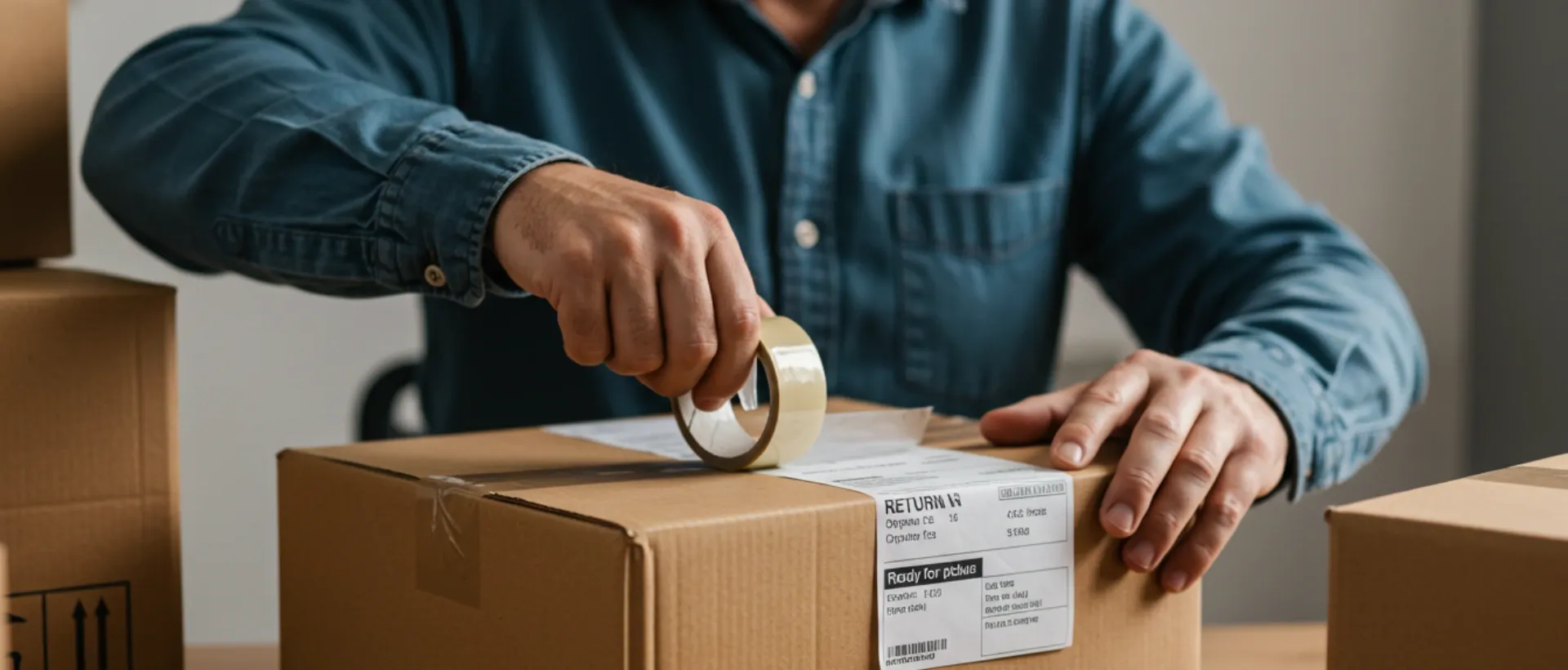
The Product Return Process Explained
The product return process typically follows several distinct stages. Understanding each stage helps businesses identify areas for improvement and create better customer experiences.
1. Return Authorization
The process usually begins when a customer requests to return an item. Many companies use a Return Merchandise Authorization (RMA) system to track and approve return requests. This step helps prevent fraud and ensures that only legitimate returns enter the system.
2. Item Collection
Once authorized, customers need a way to send items back. This might involve providing prepaid shipping labels, scheduling pickup services, or directing customers to drop-off locations. The collection method you choose affects both customer satisfaction and return costs.
3. Inspection and Processing
When returned items arrive at your facility, they need to be inspected and categorized. This step determines whether items can be resold as new, require refurbishment, should be sold as open-box items, or need to be disposed of entirely.
4. Disposition Decision
Based on the inspection results, you’ll decide what to do with each returned item. Options include restocking for resale, sending to refurbishment, selling through secondary channels, donating to charity, or recycling materials.
Benefits of Effective Returns Management
Implementing a strong returns management system offers numerous advantages for your business. These benefits extend far beyond simply processing returned items.
1. Enhanced Customer Satisfaction
Customers appreciate businesses that make returns easy and hassle-free. When you provide a smooth returns experience, customers are more likely to shop with you again and recommend your business to others. Research shows that customers who have positive return experiences often become more loyal than those who never return anything.
2. Improved Cash Flow
Effective returns management helps you recover value from returned items more quickly. By processing returns efficiently and getting sellable items back into inventory faster, you can improve your cash flow and reduce inventory carrying costs.
3. Better Inventory Management
Returns management systems provide valuable data about which products get returned most often and why. This information helps you make better purchasing decisions, identify quality issues, and adjust your product mix accordingly.
4. Reduced Operational Costs
Streamlined returns processes reduce the labor and resources needed to handle returned items. Automation and efficient workflows can significantly lower your per-return processing costs.

Handling Customer Returns: Best Practices
Successfully handling customer returns requires careful planning and execution. Here are key strategies to optimize your returns process.
1. Create Clear Return Policies
Your return policy should be easy to find, understand, and follow. Clearly state timeframes for returns, condition requirements, and any fees or restrictions. Make this information available on your website, in purchase confirmations, and with shipped products.
2. Offer Multiple Return Options
Different customers prefer different return methods. Some want to drop items off at physical locations, while others prefer mail-in returns. Providing options increases customer satisfaction and can help you manage return volumes more effectively.
3. Invest in Staff Training
Your team needs proper training to handle returns consistently and professionally. This includes understanding your return policies, using your returns management system, and communicating effectively with customers throughout the process.
4. Implement Quality Control
Consistent inspection and grading of returned items ensures accurate disposition decisions. Develop clear criteria for different item conditions and train staff to apply these standards uniformly.
Returns Management System Technology
Modern returns management systems rely heavily on technology to automate processes and improve efficiency. Understanding available technology options helps you choose the right solutions for your business.
1. Automated Return Authorization
Advanced systems can automatically approve or deny return requests based on predetermined criteria. This reduces manual work and provides instant responses to customers.
2. Barcode and RFID Tracking
Using barcode or RFID technology to track returned items throughout the process improves accuracy and provides real-time visibility into return status.
3. Integration with Existing Systems
Your returns management system should integrate with your inventory management, customer service, and accounting systems. This integration provides a complete view of each return and automates data transfer between systems.
4. Analytics and Reporting
Good returns management systems provide detailed analytics about return patterns, costs, and recovery rates. This data helps you identify improvement opportunities and track performance over time.
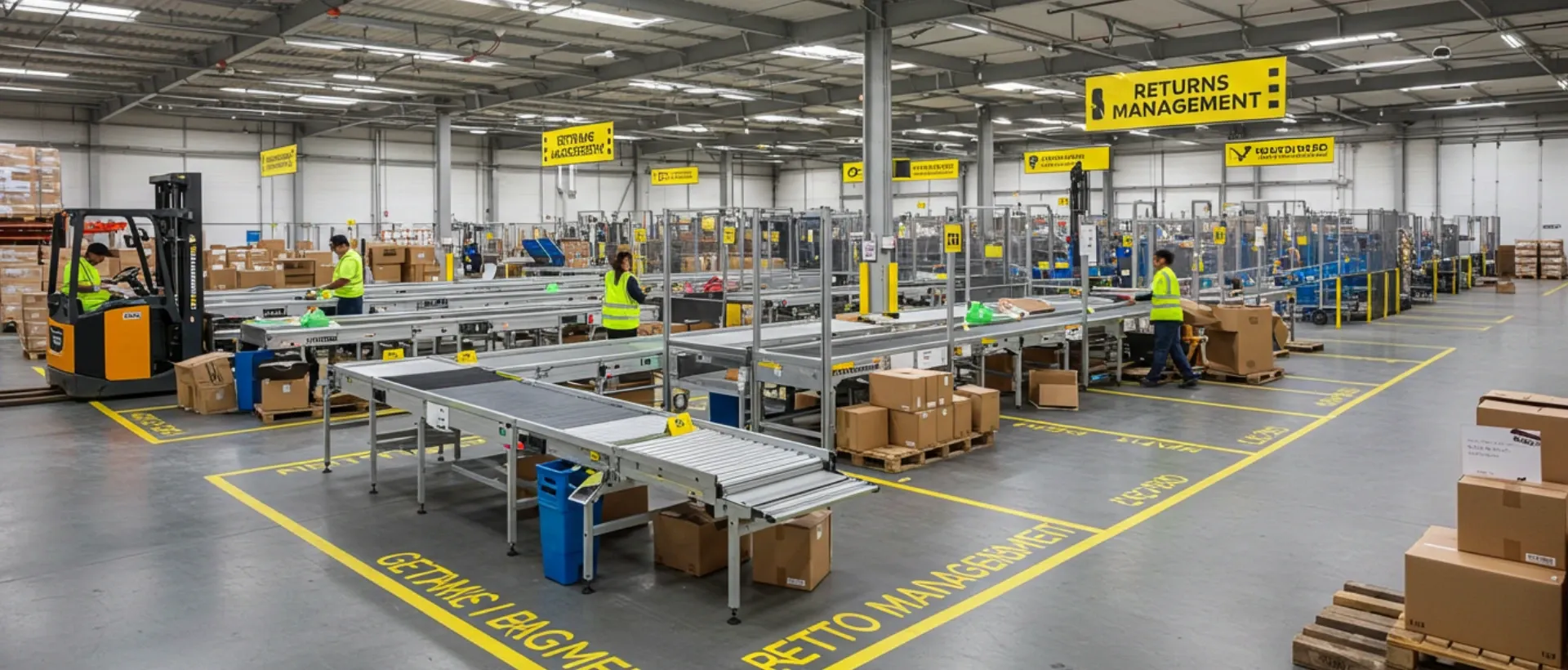
Reverse Logistics Best Practices
Reverse logistics focuses on the physical movement of returned items from customers back to your facility. This aspect of returns management requires careful coordination and planning.
1. Optimize Transportation Costs
Consolidating return shipments and working with experienced logistics providers can significantly reduce transportation costs. Consider partnering with carriers that specialize in reverse logistics to get better rates and service.
2. Strategic Facility Location
The location of your returns processing facility affects both costs and processing times. Ideally, this facility should be easily accessible to your customer base and connected to efficient transportation networks.
3. Implement Efficient Workflows
Design your facility layout and workflows to minimize handling time and reduce errors. This includes creating dedicated areas for receiving, inspection, sorting, and disposition of returned items.
4. Partner with Specialists
Many businesses benefit from working with specialized logistics providers who have expertise in returns management. These partnerships can provide access to advanced technology, economies of scale, and industry best practices.
Common Returns Management Challenges
Every business faces unique challenges when implementing returns management systems. Understanding common issues helps you prepare and develop effective solutions.
1. High Return Volumes
Some businesses experience return rates of 20% or higher, especially in certain industries like fashion and electronics. Managing these volumes requires scalable processes and adequate staffing.
2. Fraud Prevention
Return fraud costs businesses billions of dollars annually. This includes customers returning stolen items, used items past the return window, or counterfeit products. Implementing proper verification procedures helps reduce fraud risk.
3. Seasonal Variations
Many businesses see significant seasonal variations in return volumes, particularly after holidays. Planning for these fluctuations ensures you can maintain service levels during peak periods.
4. Cost Management
Returns can be expensive to process, especially when you factor in shipping, labor, and lost sales. Finding the right balance between customer service and cost control requires ongoing optimization.
How Professional Logistics Services Help
Working with and choosing experienced logistics providers can dramatically improve your returns management capabilities. Professional services offer several advantages over managing returns entirely in-house.
Specialized logistics companies have the infrastructure, technology, and expertise to handle returns efficiently. They can often process returns faster and at lower cost than businesses attempting to manage everything internally.
Professional providers also offer scalability. As your business grows or experiences seasonal fluctuations, logistics partners can adjust capacity accordingly. This flexibility helps you avoid the fixed costs of maintaining your own returns processing facility.
Getting Started with Returns Management
If you’re looking to improve your returns management processes, start by evaluating your current situation. Analyze your return volumes, costs, and customer feedback to identify the biggest opportunities for improvement.
Frequently Asked Questions
How can I reduce my return rate?
Focus on accurate product descriptions, high-quality images, detailed sizing information, and customer reviews. These elements help customers make better purchasing decisions and reduce returns.
What should I do with returned items that can’t be resold?
Options include refurbishing for secondary markets, donating to charity, recycling materials, or working with liquidation companies to recover some value.
How long should customers have to return items?
Return windows typically range from 15 to 90 days, depending on your industry and business model. Consider your cash flow needs and customer expectations when setting timeframes.
Should I charge return shipping fees?
This depends on your business model and competitive landscape. Free returns can increase customer satisfaction and sales, but they also increase costs. Many businesses find success with conditional free returns based on order size or membership status.