
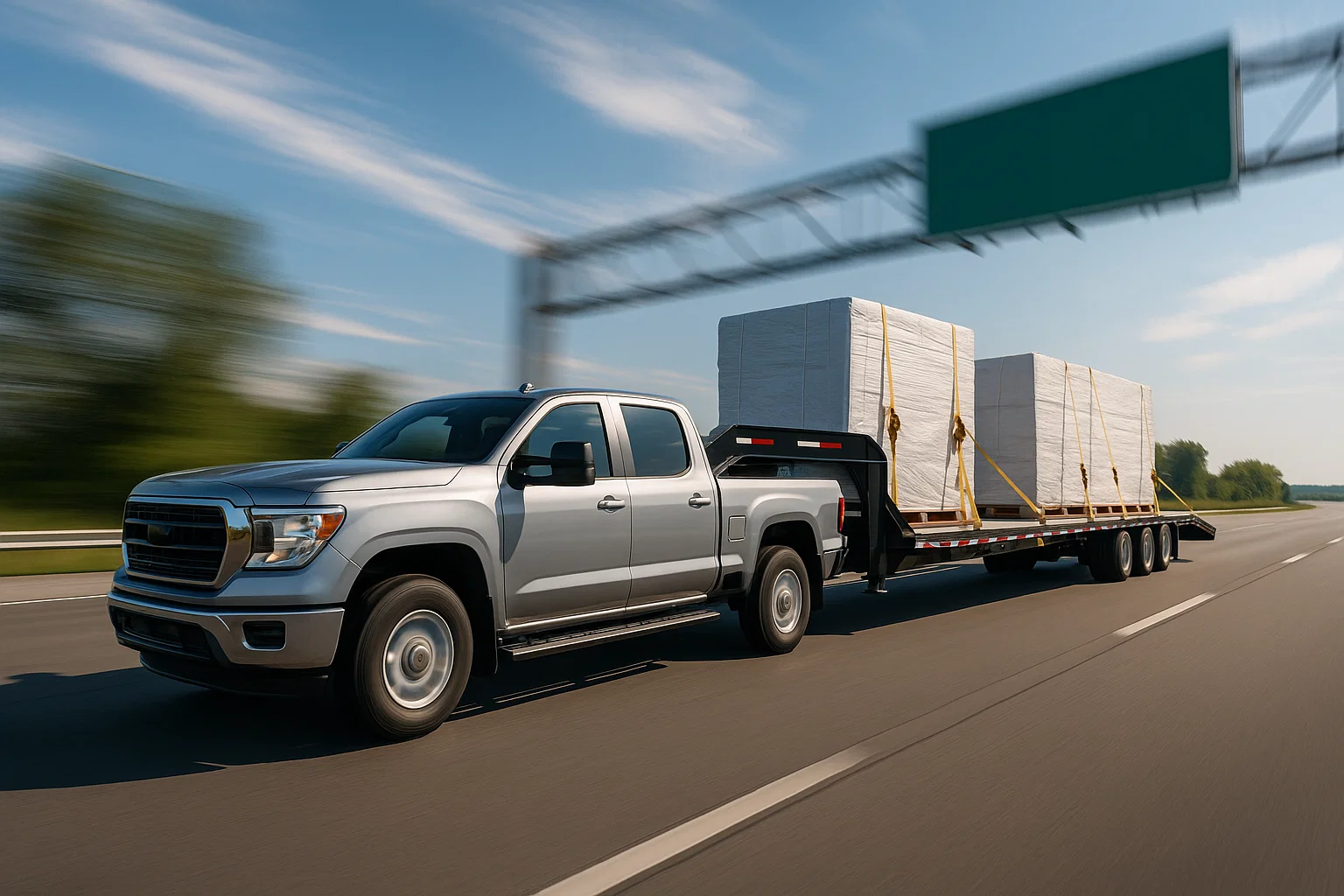
When a business needs something delivered right away, hotshot trucking is often the service that saves the day. It could be a piece of equipment that broke down in the middle of a job or a shipment that needs to reach a customer within hours, not days. Whatever the situation, hotshot drivers specialize in moving urgent freight quickly.
If you have ever wondered what hotshot trucking is or why so many companies rely on trucking services in New York, this guide breaks everything down in simple, easy-to-understand language.
You will learn what it means, how it works, who uses it, and why it’s becoming more popular every year.
What Is Hotshot Trucking?
Hotshot trucking (also called “hot shot trucking”) is expedited freight hauling using medium-duty trucks and trailers rather than big 18-wheelers. The name comes from the idea of a “hot shot,” something that has to get there fast, right now.
Unlike traditional trucking that waits for a full trailer before rolling, hotshot drivers leave as soon as the load is ready, even if it’s just one pallet or a single piece of equipment. That’s the big difference: speed and agility over volume.
How Hotshot Trucking Works
The majority of hotshot setups feature heavy-duty pickup trucks (such as the Ford F-350, Ram 3500, or Chevy Silverado 3500) towing gooseneck or bumper-pull trailers—flatbeds, goosenecks, or even enclosed trailers.
Standard trailer lengths range from 24 to 40 feet, with payload capacities typically ranging from 8,000 to 16,000 pounds, depending on the state and configuration.
Loads are typically time-sensitive but not large: replacement parts for a broken excavator, pipes for an oilfield job, a generator that needs to reach a remote location before a storm, or even aerospace components that missed the regular LTL deadline.
Dispatch is simple. A shipper posts the load on a load board or calls a hotshot company directly; the driver accepts, picks up, and runs. Many drivers are owner-operators, so they can turn around and roll in minutes instead of days.
Speed and flexibility are everything. No waiting for consolidation, no fixed routes, just point A to point B as fast as legally possible.
How Hotshot Trucking Works
Hotshot trucking may sound complicated, but the process is pretty straightforward.
1. The Vehicle Setup
Most hotshot drivers use:
- 1-ton pickup trucks
- Gooseneck, bumper pull, or flatbed trailers
- Tie-down equipment and protective gear
Because these trucks are more agile than full-size semis, drivers can pick up and deliver loads faster.
2. Dispatching
Loads are assigned through:
- Freight boards
- Direct contracts with companies
- Brokers who specialize in urgent shipments
When a load comes through, the driver accepts it, picks it up, and hits the road without delays.
3. The Delivery Style
Hotshot deliveries usually involve:
- Shorter distances
- Tight deadlines
- Freight that must reach its destination the same day or even within a few hours
This is why hotshot services are often compared to an express courier, but for heavier freight.
When Businesses Use Hotshot Trucking
Many industries find hotshot services helpful because they reduce downtime and keep operations moving. Here are a few common scenarios:
Construction
A job site may be missing a key tool, machine part, or bundle of materials. Every hour lost slows the project. Hotshot trucking delivers what’s needed right away.
Energy and Oil Fields
This is where hotshot trucking first became popular. If a drill, pump, or rig component fails, it must be replaced quickly to avoid costly shutdowns.
Manufacturing
Factories often run tight schedules. A missing part can stop an entire production line. Hotshot delivery keeps things on track.
Agriculture
Farmers use hotshot services to move feed, equipment, and supplies during busy seasons when timing is everything.
Dealerships and Equipment Suppliers
They rely on fast delivery to move machinery, engines, or parts to customers who need them urgently.
Hotshot Trucking vs. Standard Trucking
| Hotshot Trucking | Standard (Full Truckload/LTL) | |
| Speed | Same-day or next-day typical | 2–7 days common |
| Load size | Usually under 16,000 lbs | 20,000–45,000+ lbs |
| Cost per pound | Higher per pound, lower total | Lower per pound, higher total |
| Vehicle | Pickup + trailer | Semi-truck |
| Best for | Urgent, smaller, odd-sized items | Bulk, planned shipments |
Benefits of Hotshot Trucking for Businesses
Hotshot trucking offers several advantages that make it popular with companies of all sizes.
Fast Response Times
Drivers are ready to pick up loads at a moment’s notice, which is ideal for urgent situations.
Lower Costs for Small Loads
Instead of paying for a full truck, you only pay for the freight you’re moving.
Flexible Scheduling
Hotshot drivers don’t follow rigid schedules like some freight services. They move when you need them.
Reduced Downtime
Industries like construction and manufacturing depend on constant productivity. A quick delivery can save thousands of dollars in lost time.
How to Choose the Right Hotshot Delivery Partner
If your business needs fast delivery, choosing the right provider makes a huge difference.
Look for These Qualities
- Quick dispatch with minimal delays
- Reliable communication so you know where your load is
- Experienced drivers who handle equipment safely
- Proper insurance for peace of mind
- Transparent pricing with no surprise fees
A dependable partner helps your business operate smoothly and keeps projects on track.
What Drivers Need to Know
Most hotshot drivers need a regular Class C license if they stay under 26,000 lbs GVWR, but many run heavier setups and require a Class A CDL.
You’ll also need commercial insurance (usually $1 million liability minimum), a USDOT number, and possibly an MC number if you cross state lines for hire.
It’s a popular entry point into trucking because startup costs are lower than buying a semi, and many drivers start with a truck they already own.
Common Misconceptions About Hotshot Trucking
A few myths still float around, so let’s clear them up.
“Hotshot trucking is only for small loads.”
It mainly handles smaller shipments, but some setups can handle surprisingly heavy freight.
“Hotshot services always cost more.”
They are more affordable than traditional freight because you pay per load, not per trailer.
“Only oil fields use hotshot trucking.”
Today it’s used in construction, manufacturing, agriculture, equipment delivery, and many more industries.
Hotshot Trucking Trends
More businesses than ever are turning to fast delivery solutions. A few trends shaping hotshot trucking Long Island include:
- Growing demand for same-day freight
- Expansion of industries that rely on specialized parts
- Increased need for flexible shipping options
Conclusion
Now that you understand what hotshot trucking is and how it works, you can see why it’s such an important service for businesses with urgent needs. It offers the speed, flexibility, and efficiency required to keep projects moving and customers satisfied.
If you need fast, reliable delivery for equipment, parts, or time-sensitive freight, our hotshot team is ready to help. Reach out anytime for quick dispatch and dependable service.
FAQ
What is Hotshot Trucking used for?
It’s used for urgent deliveries of equipment, parts, and materials that require quick arrival.
How fast is hotshot delivery?
Most deliveries are made the same day, and some can be completed within a few hours, depending on the distance.
What size loads can hotshot trucks carry?
They’re ideal for small-to-medium loads, but many setups can handle several thousand pounds.
Is hotshot trucking cheaper than standard trucking?
For smaller shipments, it’s often more affordable because you’re not paying for a full-sized trailer.
Do hotshot drivers need a CDL?
Not always. It depends on the combined weight of the truck and trailer.