
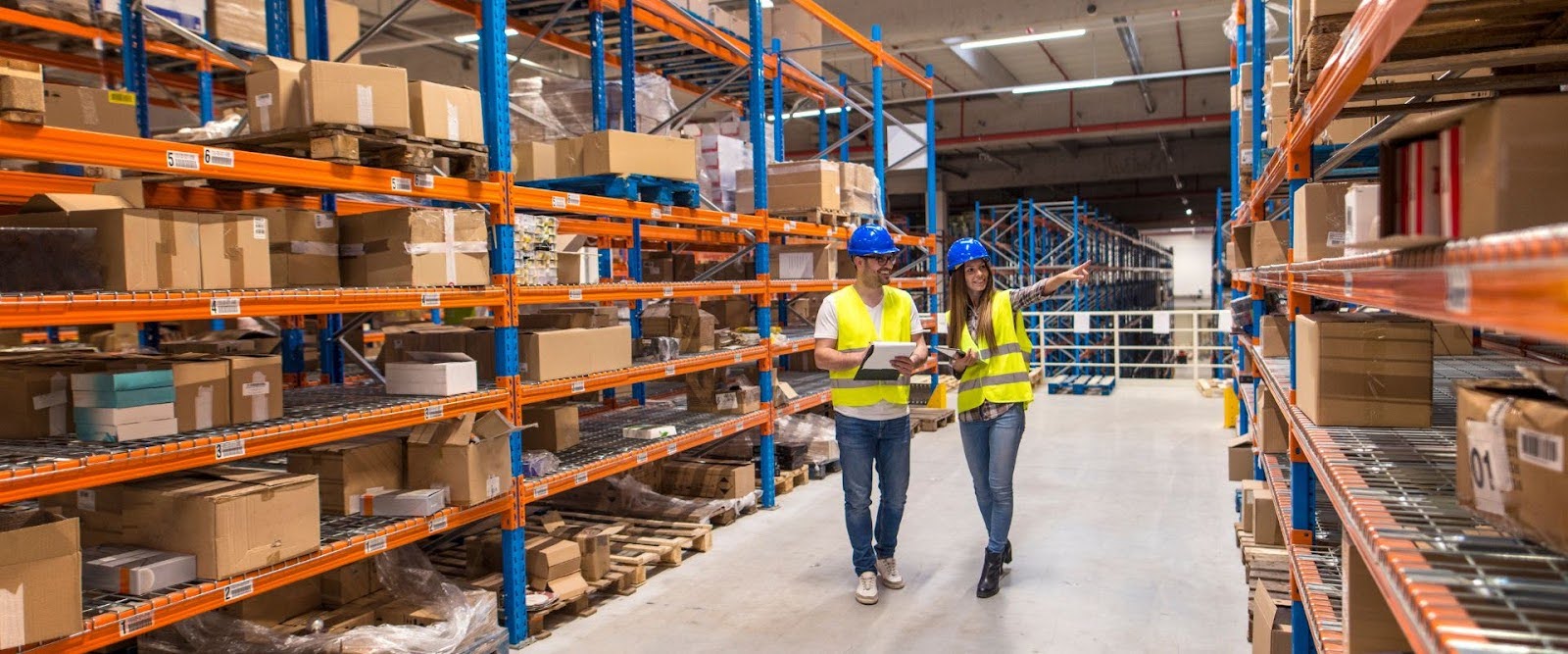
When you think of logistics, you may envision the transportation of goods across long distances, but there’s an essential component that often goes unnoticed: warehouse logistics. In today’s fast-paced global market, the role of warehouse logistics in the broader supply chain is more crucial than ever. The efficient management of warehouse operations can make or break a business’s bottom line. But what does warehouse logistics mean?
Essentially, it is the backbone of your supply chain, ensuring the right products get to the right customers at the right time. At Rusco Direct Logistics, we specialize in streamlining warehouse logistics for businesses of all sizes.
In this comprehensive guide, we’ll take an in-depth look at what warehouse logistics means, the essential warehousing processes, the technologies that support it, and how your business can optimize its warehouse logistics for increased efficiency and cost savings.
What is Warehouse Logistics?
Warehouse logistics refers to the management of the flow of goods within a warehouse, from receiving incoming products to storing them, picking them for orders, packing, and finally, shipping them out. It is the heart of any supply chain operation. It is not just about storing items but also about optimizing processes to ensure efficiency, cost reduction, and on-time deliveries.
Effective warehouse logistics is the key to smooth business operations. It involves managing both physical and information flows, with the goal of ensuring products are always available when needed without overstocking or understocking. This is essential in industries like e-commerce, manufacturing, and retail, where quick fulfillment is critical.
Understanding the Warehousing Process
The warehousing process consists of several steps, each crucial to ensuring that goods are managed efficiently within the warehouse. Below is a breakdown of these processes:
1. Receiving Goods

The first stage of warehouse logistics is receiving incoming shipments. This includes inspecting, counting, and checking the condition of products. When goods arrive, they need to be verified against the purchase order, and discrepancies or damage should be reported immediately. Efficient receiving processes help ensure that inventory levels are accurate from the start.
This step involves labeling and categorizing goods according to their storage needs, which may include sorting items based on size, type, or shipping urgency.
2. Storing Inventory

Once the goods are received, they need to be stored. The storage process involves placing the items in a specific location within the warehouse, ensuring that they are easily accessible when needed. Efficient storage systems allow for maximum use of available space, making it easier to retrieve goods when required.
The choice of storage system (such as pallet racks, shelves, or automated storage) depends on the type of goods being stored and the warehouse’s layout. Technologies like barcode scanners and RFID tags are often used to track inventory in real-time.
3. Inventory Management

One of the critical aspects of warehouse logistics is inventory management. Proper inventory control ensures that businesses can meet demand without overstocking or running out of products.
Modern warehouse management systems (WMS) help keep track of inventory in real-time, updating stock levels, tracking item movement, and providing detailed reports. With accurate inventory management, businesses can reduce the chances of stockouts and avoid holding costs related to excess inventory.
4. Order Picking

Order picking is the process of retrieving items from storage based on customer orders. The efficiency of this process can significantly impact delivery times and customer satisfaction.
There are several methods for order picking, such as:
- Single Order Picking: One order is picked at a time.
- Batch Picking: Multiple orders are picked simultaneously to improve efficiency.
- Zone Picking: The warehouse is divided into zones, and workers pick from specific zones before passing items to the next worker.
For large-scale operations, automation technologies such as automated guided vehicles (AGVs) or robotic picking systems can be used to speed up the picking process.
5. Packing
After items are picked, they are packed for shipment. Proper packing involves selecting the right packaging materials, labeling the products, and ensuring they are secure for transport. This step also includes quality checks to confirm that the correct items are packed and that no damage occurs during shipping.
Packaging plays a crucial role in maintaining the integrity of the product, especially in industries like electronics or food, where fragile or perishable goods are involved.
6. Shipping

Once packed, goods are ready for shipping. This step involves organizing the logistics for transportation, whether it’s by road, rail, sea, or air. Efficient shipping processes reduce delivery times and costs, ensuring that customers receive their orders promptly.
At this stage, shipping carriers are selected, delivery schedules are coordinated, and any necessary documentation (like customs clearance for international shipments) is prepared.
Why Warehouse Logistics Matters for Your Business
Optimizing warehouse logistics offers numerous benefits for your business, from cost savings to enhanced customer satisfaction. Let’s explore the key advantages:
1. Cost Reduction
Effective warehouse logistics helps businesses reduce operational costs by optimizing space, reducing inventory wastage, and improving labor efficiency. This, in turn, can lead to lower overall supply chain expenses.
For example, by automating certain processes like order picking or inventory tracking, businesses can reduce reliance on manual labor and increase throughput without additional costs.
2. Faster Order Fulfillment
One of the most important aspects of warehouse logistics is ensuring that orders are fulfilled quickly. Efficient processes, such as optimized storage and automated picking systems, can help reduce the time it takes to process and ship an order. This is especially important for businesses in e-commerce, where customer satisfaction depends heavily on fast delivery times.
3. Better Inventory Control
With modern warehousing processes, businesses can track inventory in real-time and make better decisions about stock levels. Accurate inventory control prevents stockouts and overstocking, ensuring that products are available when customers need them. This helps in maintaining cash flow and reducing storage costs.
4. Improved Customer Experience
Warehouse logistics directly impacts customer satisfaction. By leveraging expert warehousing & logistics in Long Island, businesses can ensure that products are shipped on time, in good condition, and without errors, enhancing the overall customer experience. Timely deliveries, correct orders, and the ability to track shipments all contribute to improved customer loyalty.
How Technology Enhances Warehouse Logistics
Warehouse logistics has undergone a massive transformation with the introduction of advanced technologies. These tools help streamline operations, improve accuracy, and reduce human error. Some of the key technologies transforming warehouse logistics include:
- Warehouse Management Systems (WMS): These software tools help businesses track inventory, manage storage, and optimize warehouse operations. WMS ensures that warehouses operate efficiently and provide real-time data on stock levels.
- Automation: Robotics, automated guided vehicles (AGVs), and conveyor systems are used to automate tasks like picking, sorting, and packing. Automation reduces human error, speeds up processes, and lowers labor costs.
- RFID and Barcode Scanning: These technologies make it easier to track inventory and shipments in real-time, improving accuracy and reducing the risk of errors.
Rusco Direct Logistics: Your Best Warehouse Logistics Solution
For businesses looking to optimize warehouse logistics, Rusco Direct Logistics is the ideal partner. Our services range from warehousing and inventory management to order fulfillment and shipping. By leveraging advanced technology and best practices, we ensure your logistics operations run smoothly, allowing you to focus on what matters most: growing your business.
Conclusion: Optimize Your Warehouse Logistics for Greater Efficiency
Understanding what warehouse logistics means and how it fits into the broader supply chain is essential for businesses aiming to reduce costs, improve efficiency, and enhance customer satisfaction. By optimizing your warehousing processes, you can streamline operations and create a competitive advantage.
FAQs About Warehouse Logistics
What does warehouse logistics include?
Warehouse logistics includes all processes related to managing the movement, storage, and distribution of goods within a warehouse. This includes receiving, storing, picking, packing, and shipping products.
How can warehouse logistics improve customer satisfaction?
Efficient warehouse logistics ensure fast, accurate order fulfillment, reducing delivery times and minimizing errors when customers receive their products on time and in the correct condition, satisfaction and loyalty increase.
What are the benefits of using automation in warehouse logistics?
Automation speeds up processes, reduces human error, and improves the accuracy of inventory tracking. It also allows businesses to handle higher volumes of orders without the need for additional labor, ultimately reducing costs and increasing efficiency.