
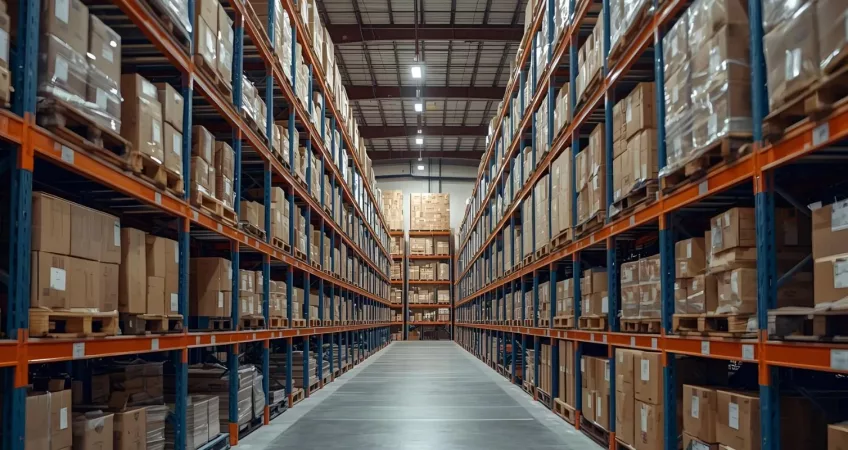
Vendor managed inventory allows suppliers to take charge of a buyer’s stock levels. The supplier checks inventory data, predicts needs and sends new stock before it runs low. This setup cuts down on shortages and extra holding costs.
In 2025-26, managed inventory matters more because real time data and automation help handle global supply issues. Companies face delays due to weather, trade rules or sudden demand spikes. VMI builds better ties between buyers and suppliers. They share information openly, reducing guesswork and fixing problems fast.
Businesses that use logistics & warehousing services often see even stronger results, as these services support timely distribution, accurate tracking, and consistent product availability.
How Vendor Managed Inventory Works
The Core Process
The process starts with the buyer sharing stock details. Using vendor-managed inventory services NY, the supplier logs into a shared system to view current inventory levels, sales velocity, and upcoming orders. They use this information to forecast demand accurately and decide when to ship additional goods.
Data Sharing and Technology
Data flows both ways. Buyers send point of sale numbers and inventory counts. Suppliers set reorder points, which are minimum levels that trigger a shipment. Technology keeps everything current. Cloud dashboards show live updates. API connections link systems without manual entry.
Handling Returns and Adjustments
Returns fit into the flow too. If a product comes back the reverse logistics process updates stock records right away. The supplier adjusts future orders to avoid overstock. This is also called supplier managed inventory in some circles.
Real World Example
Take a grocery chain as an example. The supplier tracks milk sales daily. When levels drop below 20% in a store, a truck delivers fresh cartons the next morning. No emails or calls are needed; the system handles it.
Key Components of a VMI System
Data Integration
Several parts make VMI run well. First data integration pulls in sales figures, forecast models and stock visibility from both sides. Everyone sees the exact numbers.
Communication Protocols
Communication stays open. Teams agree on update frequency and alert rules. Real time analytics spot trends early like a sales jump during holidays.
Tracking and Contracts
Tracking tools highlight the importance of real time tracking. Sensors or software instantly ping location and quantity. Contracts outline specific goals, such as 99% fill rates or response times under 24 hours.
Support from Experts
Companies like Rusco Direct Logistics help set this up. They connect systems and train staff for smooth daily use.
Benefits of Vendor Managed Inventory
Financial Advantages
VMI saves money in clear ways.
- Carrying costs drop because less stock sits idle.
- Safety stock shrinks; suppliers react faster than internal estimates.
- Cash flow improves with fewer tied up funds.
Operational Improvements
Operations get easier too.
- Stockouts happen less so sales stay steady.
- Warehouse operations run smoothly with predictable arrivals.
- Forecasting sharpens from shared sales data.
This helps streamline warehouse operations overall.
Strategic Gains
On a bigger level, relationships grow stronger. Suppliers learn buyer patterns and offer better terms. Decisions rely on facts not on hunches.
Common Challenges and How to Handle Them
VMI is not perfect. Some hurdles come up often.
Building Data Trust
Trust in data can falter at first. Buyers worry about sharing sensitive numbers. Start small, share information on one product line to build confidence.
Managing Setup Costs
Setup costs add up quickly, especially for system integration. Select tools that align with your existing software to minimize expenses.
Avoiding Over Dependency
Overreliance on a single supplier poses risks. Include supply chain risk management plans, like backup partners or clear exit terms in contracts.
Test the setup with a pilot program. Adjust as needed and expand only after things become stable.
Steps to Implement Vendor Managed Inventory Successfully
Follow these steps to get VMI running right.
- Check if your business is ready. Pick partners you trust and who have strong systems.
- Set goals and KPIs. Decide what success looks like, maybe fewer stockouts or lower costs.
- Connect your systems. Link ERP warehouse software and cloud tools for smooth data flow.
- Agree on data rules. Determine what content to share and how frequently.
- Train your teams. Review results monthly and tweak as needed.
Stick to inventory management during setup. If you deal with imports, bonded warehouse services can hold goods securely until duties clear.
Role of Logistics in a VMI Setup
Logistics ties everything together in VMI. Good partners ensure goods arrive on time.
Shipping, warehousing, route planning and tracking all matter. Route optimization logistics cuts delivery times and fuel use.
Trucking services move items from the supplier to the buyer without delays. Third party logistics providers handle the details adding reliability.
Warehousing services store stock close to demand points. For businesses on Long Island, warehousing offers quick access to major markets. Solar Industry Logistics Specialists manage fragile panels with care in this model.
Comparing VMI with Traditional Inventory Models
Traditional models put the buyer in full control. They track stock, forecast needs, and order goods. VMI shifts that work to the supplier.
Visibility changes too. Traditional setups limit what suppliers see. VMI shares full data for better planning.
Costs shift as well. Buyers pay less for storage but may cover supplier tech fees.
| Aspect | Traditional Inventory | VMI |
| Responsibility | Buyer handles all | Supplier manages stock |
| Visibility | Limited to buyer | Shared in real time |
| Adaptability | Slower changes | Quick adjustments |
A distribution center vs warehouse debate fits here; centers focus on quick turnover while warehouses hold longer. Warehouse logistics meaning covers the full flow inside those spaces. VMI suits modern needs with its automation and forecasting power.
The Technology Behind Modern VMI Systems
Tools make VMI possible today.
Core Technologies
IoT sensors track stock levels live. ERP systems connect data across companies.
AI and Real Time Tracking
AI analytics predict demand better than old methods. Real time tracking logistics ensures shipments stay on schedule.
Logistics warehouse inventory management combines these for full control from factory to shelf. Integration speeds up responses when sales spike or slow.
Cost Factors and ROI
Upfront costs include software licenses and setup help. Suppliers may charge small fees for managing stock.
Savings show up fast. Less stock means lower storage fees. Fewer emergency orders reduce freight costs.
A mid size distributor switched to VMI and cleared 20% of warehouse space in six months. That space now holds higher margin items.
ROI often hits within a year through combined savings and sales gains.
Future of Vendor Managed Inventory (2025-26 and Beyond)
AI-Powered Forecasting
AI will refine predictions using weather events and social trends. Predictive supply chains will order before demand appears.
Sustainability and Ethics
Sustainability pushes for less waste, right-sized shipments cut emissions. Data ethics matter; clear rules protect shared info.
Smart Warehousing Evolution
Warehousing & Storage Services evolve with smart shelves and robots. Expect more automation in daily checks and picks.
Conclusion
Vendor managed inventory changes how businesses handle stock. Suppliers step in to monitor and replenish, creating efficiency and trust. In 2025, it meets the demands of fast-moving markets and tight supply lines.
Start reviewing your current setup and consider one reliable partner to test the waters; small changes often lead to big improvements in your supply chain.
FAQs
What is the main purpose of vendor managed inventory?
The main purpose of VMI is to let suppliers maintain optimal stock levels for buyers reducing shortages and excess.
Is VMI suitable for small and medium sized businesses?
Yes, especially with cloud tools that scale easily. Start small with one supplier.
How does vendor managed inventory reduce stockouts?
Suppliers see live data and ship proactively, preventing empty shelves.
What technology supports VMI systems?
ERP, IoT, cloud dashboards, and AI analytics keep data flowing.
How is VMI different from inventory outsourcing?
VMI focuses on supplier control of buyer stock. Inventory outsourcing hands over full warehouse management to a third party.